Introduction
In the uncertain landscape of workplace safety, one can not overemphasize the value of having robust emergency plans in place. As companies aim to create a more secure working setting, Creating Efficient Work environment Emergency situation Strategies: The Function of Mouth-to-mouth Resuscitation Training comes to be an important topic. Effective emergency situation plans not just protect workers CPR Course Wagga Wagga - First Aid Pro but likewise construct a culture of readiness that can conserve lives. This write-up looks into the ins and outs of workplace emergency preparation while highlighting the important duty that CPR training plays in these strategies.
Understanding Workplace Emergency Plans
What are Work environment Emergency situation Plans?
Workplace emergency situation strategies are structured protocols developed to prepare workers for possible emergency situations, ranging from all-natural catastrophes to clinical crises. These plans aim to make sure a swift and reliable reaction throughout critical situations.
The Value of Having a Plan
A well-crafted emergency plan can reduce dangers and enhance employee safety. Yet why is this so crucial? Basically, when emergencies strike, time is critical. A pre-defined plan ensures that everyone understands their roles and responsibilities, lowering turmoil and confusion.
Key Elements of an Efficient Emergency Plan
Risk Analysis: Recognize potential risks distinct to your workplace. Response Treatments: Overview clear actions for various types of emergencies. Roles and Duties: Assign particular tasks to employees. Communication Networks: Develop how information will certainly flow throughout an emergency. Training Programs: Consistently train team on the procedures detailed in the plan.The Function of mouth-to-mouth resuscitation Training in Emergency Preparedness
Why mouth-to-mouth resuscitation Training is Essential
When it concerns office emergencies, cardio cases can happen without caution. Understanding of CPR (Cardiopulmonary Resuscitation) can be the distinction in between life and death for someone experiencing cardiac arrest.
CPR Saving Lives: The Statistics
Research shows that prompt mouth-to-mouth resuscitation can increase and even triple survival rates after cardiac arrest. As a matter of fact, according to recent studies, early treatment with mouth-to-mouth resuscitation raises a sufferer's chance of survival significantly.
Incorrect Compression Deepness: A Common Mistake
One widespread problem in doing CPR is keeping the correct compression depth. Studies show that several nonprofessionals do not use compressions at the suggested deepness of 2-2.4 inches for adults, which can reduce effectiveness.
How to Guarantee Correct Compression Depth
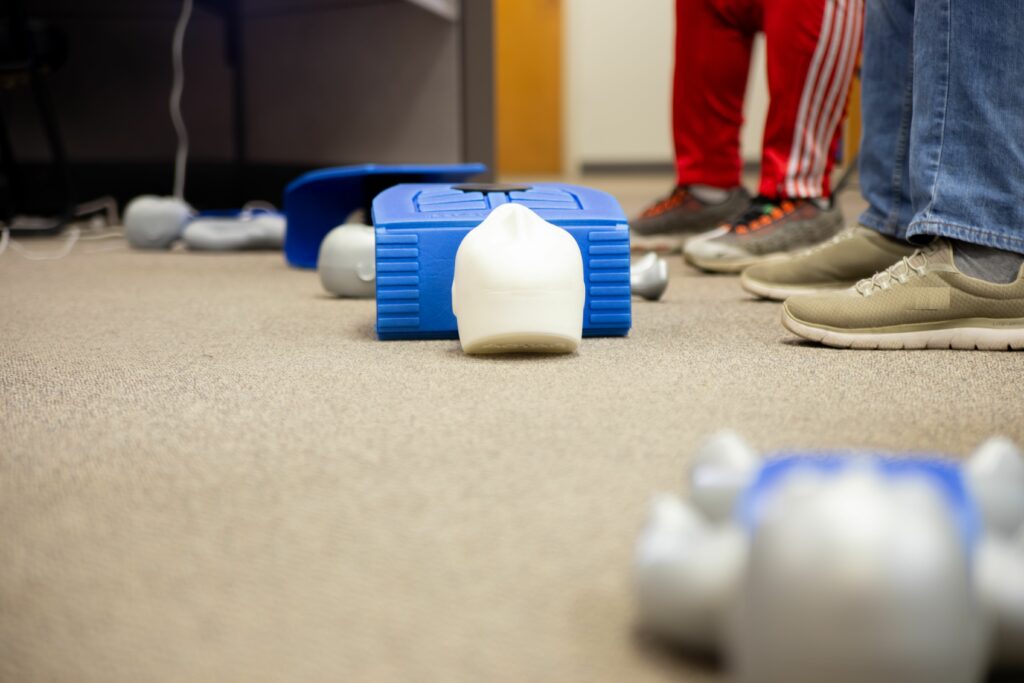
- Use your body weight to use force. Count aloud throughout compressions to keep rhythm. Practice with manikins that supply feedback on compression depth.
CPR Methods: A Closer Look
How to Do mouth-to-mouth resuscitation: Detailed Guide
Assess the Circumstance: Inspect responsiveness; phone call emergency solutions if unresponsive. Open Respiratory tract: Turn the head back slightly and raise the chin. Check Breathing: Search for chest movements; otherwise breathing normally, start CPR. Perform Breast Compressions: Compress at the very least 2 inches deep at a rate of 100-120 compressions per minute. Rescue Breaths (if trained): After every 30 compressions, offer 2 rescue breaths.Infant CPR Strategy: Unique Considerations
When doing CPR on babies:
- Use two fingers instead of full hand compressions. Ensure depth has to do with 1.5 inches. Cover their mouth and nose with your mouth when offering rescue breaths.
Household CPR Preparedness: Preparing Your Family
Why Home Readiness Matters
Just as offices call for safety protocols, homes need to prepare for emergency situations as well! Including standard mouth-to-mouth resuscitation skills into household security drills makes certain every person recognizes what to do if an event occurs.
Creating a Family members Emergency Plan
- Discuss possible emergency situations-- fires, medical situations, etc. Assign roles within your family unit (who calls 911?). Schedule normal session for member of the family on how to perform mouth-to-mouth resuscitation effectively.
Advanced Resuscitation Abilities: Beyond Basic Training
When Standard Training Isn't Enough
While fundamental CPR abilities are invaluable, advanced resuscitation methods can additionally equip people dealing with intricate emergency situations such as sinking targets or sports-related heart arrests.
Sports-Related Heart attacks: A Growing Concern
Athletes are not unsusceptible to cardiac problems during physical activity:
- Understand exactly how strenuous exercise affects heart health. Learn specialized methods customized for professional athletes that fall down during sports events.
Integrating AEDs right into Work environment Security Protocols
What is an AED? Just how Does It Work?
An Automated External Defibrillator (AED) is a portable device that checks the heart rhythm and can send out an electric shock to restore it to regular function:
Turn on the AED and follow voice prompts. Apply pads as shown by representations on pads or AED screen. Allow AED to examine heart rhythm before delivering shocks if necessary.Online CPR Qualification Options Available Today
Why Choose Online Certification?
Online training courses provide adaptability and availability for those wanting to acquire certification quickly without giving up quality education:
Benefits:
- Learn at your very own pace Access sources anytime Interactive modules boost retention
FAQs About Work environment Emergency Plans and CPR Training
1. What need to be included in a work environment emergency plan?
An extensive plan must include threat assessments, reaction procedures, roles/responsibilities, communication channels, and training programs.
2. Exactly how typically must workers be trained in CPR?
It's advisable for staff members to undertake training every two years due to updates in guidelines and techniques.
3. What is the credibility duration for a mouth-to-mouth resuscitation certificate?
Commonly, most certifications stand for 2 years; nevertheless, constantly inspect neighborhood regulations as they may vary.

4. Are there age-specific standards for doing CPR?
Yes! Standards differ based upon whether you're providing care to adults, youngsters, or babies-- constantly refer CPR Training Wagga Wagga - First Aid Pro to age-specific methods when necessary.
5. Can I take on the internet programs for first aid alongside my CPR training?
Definitely! Several organizations supply combination courses covering both CPR and emergency treatment which are highly advantageous for detailed knowledge acquisition.
6. What devices do I require for efficient mouth-to-mouth resuscitation training?
Necessary devices includes mannequins (for method), AED fitness instructors (to recognize use), and educational products contrasting newest standards worldwide.
Conclusion
In verdict, Creating Reliable Workplace Emergency situation Plans: The Duty of Mouth-to-mouth Resuscitation Training can not be underrated in today's world where every second matters during an emergency scenario. Furnishing your group with this expertise not only enhances workplace security yet likewise cultivates a proactive culture around health and wellness initiatives amongst staff members and their families alike! By integrating appropriate training programs-- whether via neighborhood classes or online qualifications-- we're ensuring our workforce continues to be ready no matter what obstacles occur ahead!

This detailed technique assurances higher possibilities of survival throughout critical moments while reinforcing community obligation throughout all markets involved!